ADVERTISEMENT
Why You Should Never Uproot Purslane From Your Garden
Important note: If you experience any unexpected allergic reaction or skin irritation after handling plants, seek medical advice promptly.
Recognizing the Value of Purslane
Purslane, often mistaken for a common weed, is actually a highly beneficial medicinal plant found growing naturally in many gardens and wild areas, especially during spring and summer. Known by names such as “cat’s tongue” or “ephemeral,” this plant features juicy, fleshy leaves that are a rich source of dietary fiber.
Before you decide to remove this
plant from your garden, it’s important to understand its unique properties and potential health benefits. Uprooting purslane could mean losing a natural source of nutrition and herbal remedy that has been utilized for centuries.
How to Identify Purslane in Your Garden
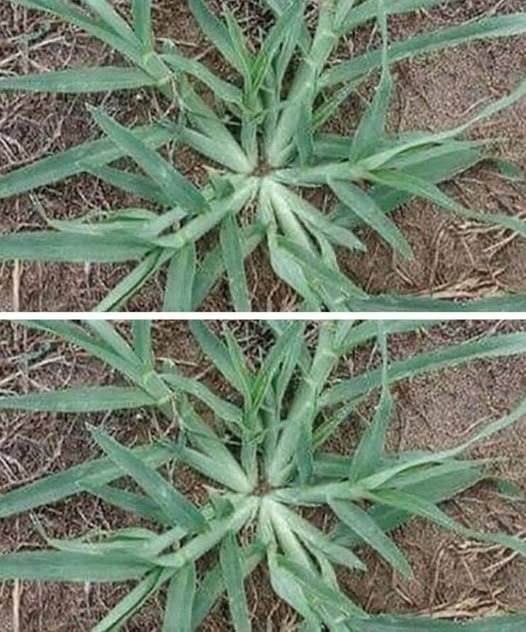
Purslane grows low to the ground and spreads out in a rosette pattern. Its leaves are thick, smooth, and succulent, often with a slightly glossy surface. The plant thrives in warmer months and prefers sunny, well-drained soil.
Unlike common weeds that offer little value, purslane contains high levels of fiber and other nutrients that can support digestive health and overall wellness.
Check Your Medicine Cabinet and Diet
Many people overlook natural sources of fiber and antioxidants that purslane provides, often relying solely on supplements or processed foods. Incorporating this plant into your diet can complement other health strategies, possibly reducing the need for some medications aimed at digestive issues.
If you are currently taking any medication for digestion or inflammation, consult your healthcare provider before adding new herbal remedies to your routine, as interactions can sometimes occur.
Cost and Accessibility
Purslane is freely available in many regions, making it a cost-effective addition to your health regimen. Unlike commercial supplements or prescription drugs, purslane grows naturally and requires no purchase, offering a sustainable and economical source of nutrition.
Its presence in your garden eliminates the need to buy fiber supplements that can cost anywhere from $10 to $30 per bottle, depending on the brand and dosage.
Understanding When to Keep or Remove Plants
Many gardeners remove plants without knowing their value. If a plant like purslane appears in your garden, it’s worth identifying it properly before deciding to uproot it. Doing so ensures you don’t lose a natural source of health benefits or a valuable addition to your garden’s ecosystem.
Ask yourself: Is this plant contributing positively to my garden’s soil health or my personal use? If yes, it’s better to keep it and explore its uses.
Here are the 10 key facts about purslane you need to know. Number 7 reveals a common misconception that could affect your garden decisions.
Continue Reading on the Next Page
1. Identifying Purslane Purslane is a low-growing, succulent plant often found in gardens, lawns, and disturbed soils. It has thick, fleshy, spoon-shaped leaves that are smooth and shiny, typically green or slightly reddish. The plant forms a rosette that spreads out horizontally, often with reddish stems that are smooth and somewhat glossy. Its small yellow flowers, which bloom in clusters, are usually seen during spring and summer.
When trying to identify purslane, look for its distinctive features:
Leaves: Small, oval, fleshy, and smooth, usually growing opposite each other along the stem.
Stems: Thick, branching, often reddish or green, lying close to the ground.
Growth habit: Spreads as a mat, rooting at nodes where the stem touches the soil.
Flowers: Tiny, yellow, with five petals, appearing mostly at the tips of stems.
Because purslane is often mistaken for common weeds, correctly identifying it is crucial to harness its benefits instead of removing it.
2. Health Benefits
Purslane is not just a garden plant; it offers notable health benefits, making it valuable in natural nutrition and herbal medicine. It is rich in antioxidants which help combat oxidative stress and may reduce inflammation.
Its omega-3 fatty acid content, particularly alpha-linolenic acid, is unusually high for a plant source, supporting cardiovascular health by helping to reduce cholesterol levels and improve blood flow.
Additional benefits include:
Supporting digestive health due to its high fiber content.
Providing vitamins and minerals that help maintain skin health and boost the immune system.
Potential antimicrobial properties that support the body’s defenses against infections.
Regular consumption of purslane, whether fresh or cooked, can complement a balanced diet aimed at improving overall wellness.3. Nutritional Content
Purslane stands out for its dense nutritional profile. It contains significant amounts of vitamins A, C, and some B-complex vitamins, which are essential for vision, immune function, and energy metabolism. The plant is also a good source of minerals such as magnesium, calcium, potassium, and iron, which support bone health, muscle function, and oxygen transport in the blood.
One of purslane’s most remarkable aspects is its omega-3 fatty acid concentration, especially alpha-linolenic acid, which is rare in leafy greens. This makes it an excellent plant-based option for those seeking heart-healthy fats.
Its fiber content aids digestion and promotes gut health by regulating bowel movements and fostering beneficial gut bacteria.
4. Medicinal Uses
Traditional medicine has long valued purslane for its therapeutic properties. It has been used topically and internally to address a variety of ailments.
Common medicinal applications include:
Wound healing: Applying crushed purslane leaves can soothe skin irritations and accelerate healing.
Anti-inflammatory: Consuming purslane may help reduce inflammation associated with arthritis or other inflammatory conditions.
Antioxidant support: Its high antioxidant contenthelps protect cells from damage and supports overall immune health.
While these uses are supported by traditional knowledge and some preliminary studies, anyone considering purslane for medicinal purposes should consult their healthcare provider before replacing or supplementing prescribed treatments.
5. Growth Conditions
Purslane thrives in warm, sunny environments and is highly adaptable to various soil types, including poor, sandy, or compacted soils. It prefers well-drained soil but is drought-tolerant due to its succulent leaves that store water.
The plant typically grows during spring and summer, flourishing in full sun but tolerating partial shade. It can rapidly spread in a garden if conditions are favorable, rooting at stem nodes and covering ground efficiently.
Its resilience to heat and ability to grow in nutrient-poor soil make it ideal for low-maintenance gardening and soil stabilization.
Continue Reading on the Next Page
6. Common Misconceptions
Many gardeners mistake purslane for a harmful weed and uproot it without realizing its benefits. One common misconception is that it competes aggressively with crops, but in reality, it can coexist with many plants and even enhance soil quality. Another myth is that purslane is toxic or unsafe to eat. On the contrary, it is edible and nutritious when properly identified and harvested from uncontaminated soil.
Some also believe purslane is invasive everywhere; however, its growth is typically manageable and can be controlled through regular harvesting.
7. Potential Risks
While purslane is generally safe, there are a few considerations to keep in mind. It contains oxalates, which in high amounts can contribute to kidney stone formation in susceptible individuals. Therefore, people with a history of kidney stones should consume purslane cautiously and consult their doctor.
Additionally, purslane collected from polluted or pesticide-treated areas may carry harmful residues. Always ensure you harvest from clean, chemical-free environments to avoid contamination.
As with any new food or herbal remedy, start with small amounts to monitor for allergic reactions or digestive upset.
8. Harvesting Tips
Harvest purslane when the leaves and stems are tender and before the plant flowers for the best taste and texture. Use clean scissors or pinch off the stems just above the soil line to encourage regrowth.
Collecting purslane regularly not only provides fresh greens but also prevents overgrowth in the garden. Wash thoroughly to remove soil and any insects before consumption.
To preserve purslane, it can be used fresh in salads or lightly cooked, and it also freezes well for later use.
Continue Reading on the Next Page
9. Culinary Uses
Purslane offers a slightly tangy, lemony flavor with a crisp texture, making it a versatile ingredient in the kitchen. It can be eaten raw or cooked and complements a variety of dishes.
Popular culinary uses include:
Adding fresh purslane leaves to salads for a crunchy, refreshing element.
Incorporating it into soups and stews, where it adds a subtle tartness and thickens the broth due to its mucilaginous quality.
Using purslane in stir-fries or sautéed as a side vegetable, often with garlic and olive oil.
Blending it into smoothies or juices for added nutrition.
Its adaptability to numerous recipes makes purslane a valuable addition for those seeking nutrient-dense, flavorful greens.
10. Garden Benefits
Beyond its culinary and health uses, purslane benefits the garden ecosystem. Its extensive ground cover helps retain soil moisture and reduce erosion. The plant’s rapid growth suppresses weed development by occupying space and resources.
Moreover, purslane attracts beneficial insects like pollinators and predatory bugs that help control pests naturally, promoting a balanced garden environment.
Gardeners looking for a low-maintenance, multifunctional plant will find purslane boosts both soil health and biodiversity.
When to See a Doctor
While purslane is safe for most people, consult your healthcare provider before adding it regularly if you have kidney issues, are pregnant, nursing, or have known allergies to similar plants. If you experience any adverse reactions such as rash, digestive upset, or unusual symptoms after consuming purslane, seek medical advice promptly.
Conclusion
Purslane is much more than a common garden plant often mistaken for a weed. Its unique nutritional profile, medicinal potential, and environmental benefits make it a valuable addition to your garden and diet. Recognizing and preserving purslane can enhance your well-being and gardening success.
Disclaimer: This article is for informational purposes only and does not replace professional medical advice.