Is Your Gas Burner Wasting Gas? What a Dirty Burner Is Telling You
Take a close look at the burner on your gas stove. Do you see dark rings, crusty buildup, or tiny slots that look blocked? If so, you’re not alone. Most home cooks never look inside their burners, yet that small metal part decides how well your flame burns, how fast your food cooks, and how much gas you use.
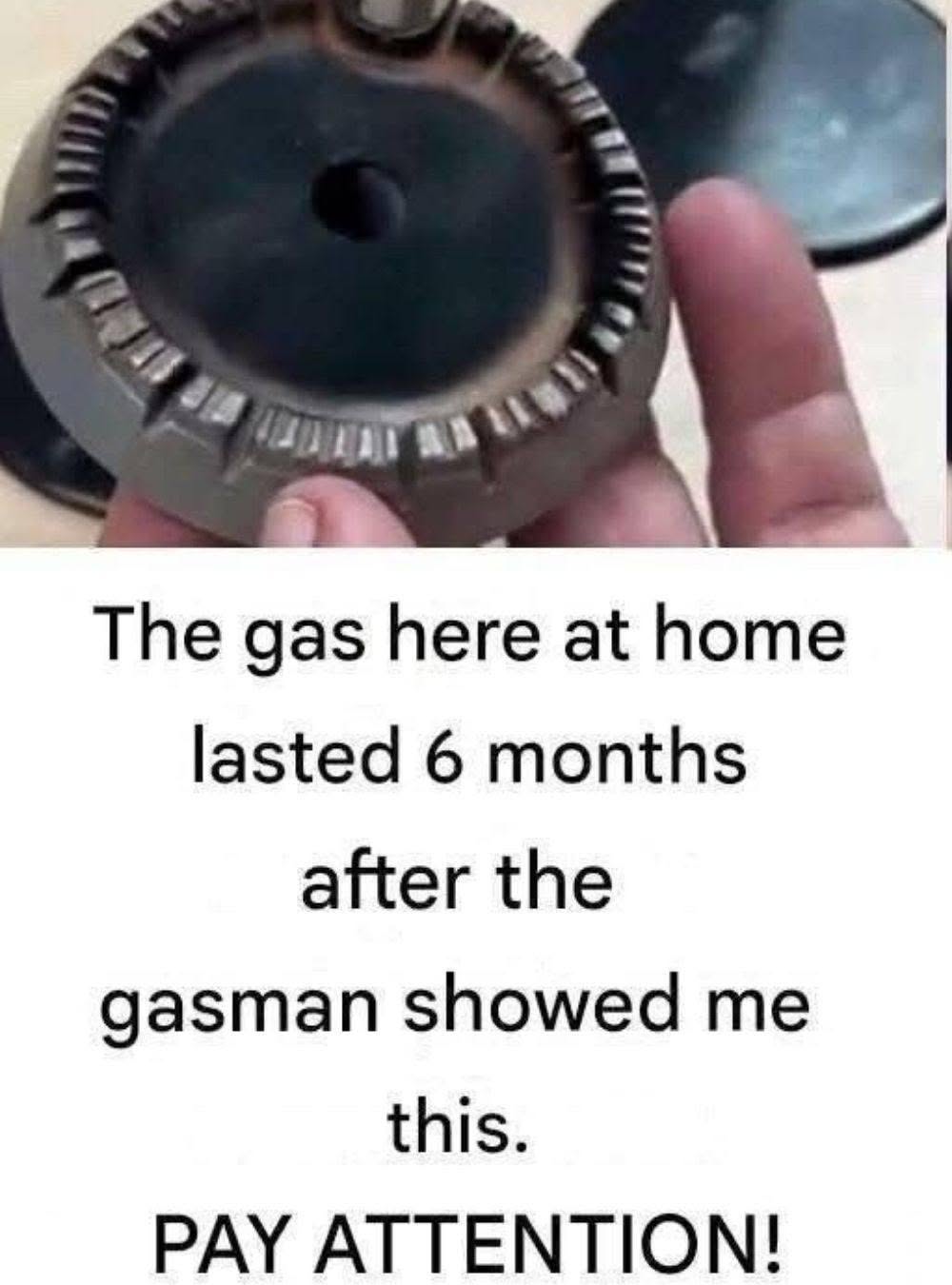
The photo above shows a burner head with grime and carbon packed around its ports, the small slots where the gas comes out. When those ports clog up, the flame can turn uneven, weak, or yellow. The gas still flows, but it doesn’t burn as cleanly, and many people compensate by turning the flame higher and cooking longer.
Let’s look at why this happens, how to spot it, and how to clean your burners safely.
Why Burners Get Dirty
Every time you cook, small things land on the burner:
- Boil-overs from pasta, soup, rice, or milk
- Oil splatters from frying
- Salt, sugar, and food crumbs
- Grease and steam residue
- Carbon deposits from combustion
Over time, these mix with heat and bake onto the burner head and cap. Eventually they block the tiny ports that distribute the flame.
Signs Your Burner Needs Cleaning
- Yellow or orange flame instead of mostly blue. A healthy gas flame is steady and mostly blue.
- Uneven flame. Some ports burn high, others barely light, or there are gaps around the ring.
- Flame lifts away or flickers.
- Black soot on the bottom of your pots.
- Slow cooking. Water takes noticeably longer to boil.
- Clicking igniter but slow or uneven lighting.
- Gas smell when the burner is off or a strong smell when it’s on. This is a safety issue (see the warning below).
Safety First: Read This Before You Clean
- If you smell gas, do not light anything. Turn off the supply, open windows, leave the area, and call your gas supplier or emergency service.
- Never tamper with gas lines, regulators, or valves. Cleaning the burner head and cap is a surface task. Anything involving the gas supply is a job for a qualified technician.
- A persistently yellow or orange flame, soot, or a strange smell after cleaning should be checked by a professional, since it can indicate incomplete combustion, which produces carbon monoxide.
- Install a carbon monoxide detector in or near your kitchen, and keep the kitchen ventilated while cooking.
How to Clean a Gas Stove Burner: Step by Step
What you’ll need
- Dish soap and hot water
- Baking soda
- White vinegar (optional)
- An old toothbrush or soft brush
- A toothpick, straight pin, or thin needle for the ports
- A soft cloth or sponge
- A bowl or sink for soaking
- A towel for drying
1. Turn everything off and let it cool
Make sure all burners are off, the gas supply is off if your stove has a shutoff, and the stove is completely cool.
2. Remove the burner cap and head
Lift off the grates, then the round cap on top, then the burner head underneath. Many burners simply lift off. If yours doesn’t, check the manual.
3. Soak the parts
Fill a bowl with hot water and a few drops of dish soap, and soak the burner head and cap for 15 to 30 minutes. For heavy buildup, make a paste of baking soda and water and apply it to the burned-on areas.
4. Scrub gently
Use a soft brush or toothbrush to scrub the surface, the underside, and around the ports. Avoid steel wool on delicate finishes, since it can scratch or damage enamel.
5. Clear the ports
Use a toothpick or straight pin to carefully poke out debris from each port. Work gently, and don’t widen the holes. Enlarging ports changes the flame and can be unsafe.
6. Clean the igniter and the area around it
Wipe the igniter electrode gently with a barely damp cotton swab. Don’t soak it or push hard, and keep water out of the gas opening.
7. Rinse and dry completely
Rinse the parts in clean water and dry them thoroughly with a towel. Then let them air-dry for several hours, or overnight if you can. Damp burner parts can cause weak flames or misfires.
8. Reassemble correctly
Place the burner head back so the notches line up with the stove’s pins or the igniter. Then set the cap on evenly. A misaligned cap is a common cause of uneven flames.
9. Test the flame
Turn on the burner and check that the flame is mostly blue, even all around the ring, and steady. If it isn’t, turn it off, let it cool, and recheck the assembly.
How Much Gas Can You Really Save?
Honest answer: it depends. A clean, correctly assembled burner helps gas burn efficiently, so it can reduce waste, but there’s no magic number. Cleaning a burner won’t make a cylinder last twice as long. What it can do is:
- Prevent wasted gas from incomplete burning
- Help pots heat faster
- Reduce soot and kitchen smells
- Improve safety and flame control
The real savings come from combining a clean burner with smart cooking habits.
Easy Ways to Use Less Gas While Cooking
- Match the pot to the burner. A small pot on a big flame wastes heat around the edges. The flame should stay under the base of the pot.
- Use lids. A covered pot boils faster and needs less flame.
- Lower the flame once it boils. A gentle simmer uses much less gas than a rolling boil.
- Use flat-bottomed pots that sit evenly on the grate.
- Prep ingredients before lighting the stove. Don’t let the burner run while you chop.
- Defrost food ahead of time. Frozen food needs more heat and time.
- Use a pressure cooker for beans, stews, and tough cuts. It can cut cooking time significantly.
- Soak lentils, beans, and rice before cooking to shorten cook times.
- Cook multiple items together using stacking steamers or one-pot meals.
- Turn the burner off a minute early and let residual heat finish the job.
- Keep the pot dry on the outside so heat isn’t wasted evaporating moisture.
How Often Should You Clean Your Burners?
- Quick wipe: after each spill, once the stove has cooled
- Burner caps and heads: a deep clean every 2 to 4 weeks for regular cooks, and monthly for lighter use
- Ports: check them whenever the flame looks uneven
Common Mistakes to Avoid
- Cleaning burners while they’re still warm
- Using water on the igniter or soaking electronic parts
- Enlarging ports with large drill bits or heavy tools
- Putting damp burner parts back on the stove
- Mixing cleaning chemicals, such as bleach with vinegar or ammonia
- Ignoring a yellow flame for weeks
Frequently Asked Questions
Will cleaning my burner really make my gas last longer?
It can help reduce wasted gas and improve efficiency, but the effect varies. Don’t expect dramatic results from cleaning alone. Combining a clean burner with good cooking habits is more effective.
Why is my gas flame yellow or orange?
Common causes are dirty burner ports, a misaligned burner cap, or a poor air-gas mix. A yellow flame can indicate incomplete combustion, so clean the burner first. If the flame stays yellow, call a technician.
Is it normal for a few ports to be blocked?
It’s common, but it shouldn’t be ignored. Blocked ports cause uneven heating and a poor flame.
Can I use a wire or needle to clear the ports?
A toothpick or straight pin is fine if you use it gently. Avoid forcing anything in or widening the hole.
What if my burner won’t light after cleaning?
Make sure all the parts are fully dry and the cap and head are seated correctly. Wait a few hours and try again. If it still won’t light, the igniter may need service.
How do I know if I have a gas leak?
A rotten-egg smell (the odorant added to gas), a hissing sound near the stove, or a sudden jump in your gas usage can be signs. Leave the area, avoid sparks or switches, and call the emergency number or your supplier.
Do LPG cylinders and natural gas stoves clean the same way?
Burner cleaning is similar for both, but the ports and settings can differ, so check your stove’s manual.
Can I put burner parts in the dishwasher?
Some manufacturers allow it, but many don’t, and dishwasher detergent can damage finishes. Check your manual first.
Final Thoughts
A gas burner is one of the hardest-working parts of your kitchen, yet it’s easy to forget about. Taking a few minutes every month to clean it keeps the flame even, cooking faster, and safer. It won’t perform miracles, but combined with a few smart cooking habits, it’s a simple way to reduce waste, protect your stove, and keep your kitchen safe.
Do you clean your gas burners regularly? What’s your best tip for saving gas? Tell us in the comments!