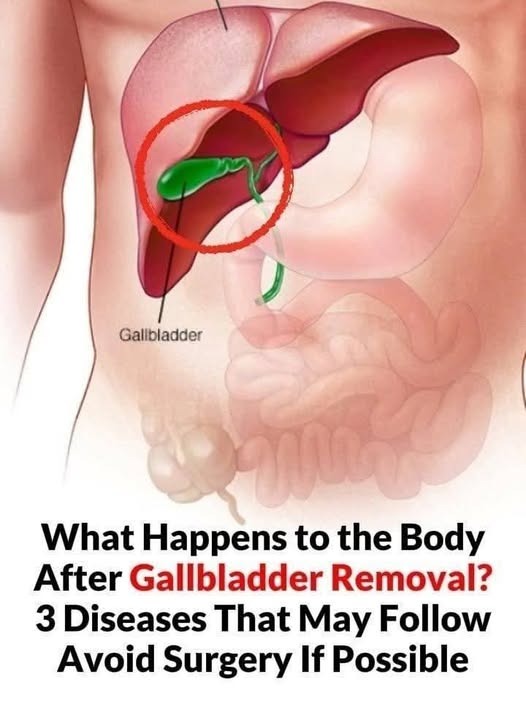
The gallbladder is a small, pear-shaped organ that sits beneath the liver. Its job is to store bile, a digestive fluid produced by the liver, and release it into the small intestine to help digest fats.
When the gallbladder becomes diseased or develops stones, doctors often recommend surgery to remove it. This procedure is called a cholecystectomy, and it’s one of the most common surgeries worldwide.
But what happens to your body after gallbladder removal? And are there risks you should know about? Here’s the truth. 👇
Disclaimer: This post is for informational purposes only and is not a substitute for professional medical advice. If you are considering gallbladder surgery or have concerns, consult a qualified healthcare provider.
🔬 What Happens After Gallbladder Removal?
1. Bile Flows Directly Into the Intestine
Without a gallbladder to store bile, the liver continuously releases bile directly into the small intestine. This can lead to changes in digestion, especially after eating fatty meals.
2. Digestive Changes Are Common
Many people experience temporary digestive issues after surgery, including:
- Diarrhea
- Bloating
- Gas
- Indigestion
- Nausea
These symptoms usually improve over time as the body adjusts, but for some people, they persist.
3. 3 Diseases That May Follow
While many people live normal, healthy lives after gallbladder removal, some may develop long-term conditions:
- Post-Cholecystectomy Syndrome (PCS): A condition where digestive symptoms like pain, bloating, and diarrhea persist after surgery. It can be caused by bile leaking into the stomach or other issues.
- Bile Acid Malabsorption (BAM): Without a gallbladder, bile acids can enter the colon and cause chronic diarrhea. This is a common cause of persistent diarrhea after surgery.
- Gallstones in the Bile Duct: Stones can still form in the bile ducts even after the gallbladder is removed, causing pain and blockages.
Important: These conditions are not guaranteed to occur. Many people have no long-term issues after surgery.
💡 Can You Avoid Surgery?
Surgery is sometimes necessary, especially if the gallbladder is infected, inflamed, or blocked. However, some people may be able to manage gallbladder issues with:
- Dietary changes: A low-fat, high-fiber diet can reduce symptoms.
- Weight management: Maintaining a healthy weight reduces the risk of gallstones.
- Medications: In some cases, medications can dissolve gallstones, though they are not always effective.
- Lifestyle changes: Regular exercise and avoiding rapid weight loss can help.
Important: Never avoid surgery if your doctor recommends it. Delaying treatment for a serious gallbladder issue can lead to dangerous complications.
❓ Frequently Asked Questions
Can you live without a gallbladder?
Yes — you can live a normal life without a gallbladder. The liver still produces bile, and the body adapts over time.
What are the long-term effects of gallbladder removal?
Some people experience digestive changes like diarrhea, bloating, or gas. Others have no long-term issues.
What is Post-Cholecystectomy Syndrome?
It’s a condition where digestive symptoms persist after gallbladder removal. It can cause pain, bloating, and diarrhea.
What is Bile Acid Malabsorption?
It’s a condition where bile acids enter the colon and cause chronic diarrhea. It’s common after gallbladder removal.
Can gallstones form after gallbladder removal?
Yes — stones can form in the bile ducts, even after the gallbladder is gone.
Can I avoid gallbladder surgery?
In some cases, dietary changes and medications can help. However, surgery is often necessary for severe cases.
What should I eat after gallbladder removal?
A low-fat, high-fiber diet is recommended. Avoid greasy, fried, and spicy foods.
How long does it take to recover from gallbladder surgery?
Most people recover within 1–2 weeks. Full recovery may take longer.
When should I see a doctor?
If you experience persistent digestive symptoms, pain, or jaundice after surgery, see a doctor.
Can I prevent gallbladder problems?
Yes — maintaining a healthy weight, eating a balanced diet, and exercising regularly can reduce your risk.