ADVERTISEMENT
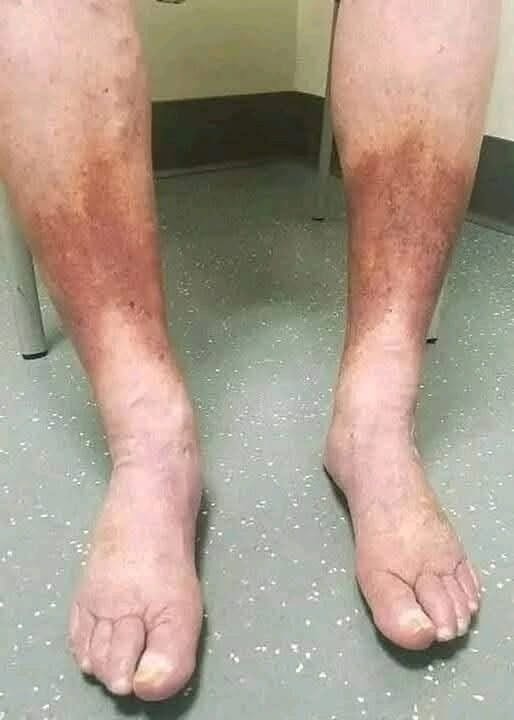
To answer your question directly: Yes, swollen legs and darkened skin can absolutely be signs of poor circulation. In fact, they are two of the most classic, well-documented signs of a specific circulatory issue called Chronic Venous Insufficiency (CVI).
Given that you’ve been proactively researching those unexplained purple blotches on your arms and keeping a close eye on your vein health, understanding how this works can give you a lot of peace of mind and help you have a very informed conversation with your doctor.
Let’s put the kettle on, and break down the science of what might be happening, the “red flags” to watch for, and some gentle, proactive steps you can take at home.
⚠️ Important Medical Disclaimer
I am an AI, not a doctor. The information below is for educational purposes to help you understand your body. Because you are experiencing new or concerning symptoms, it is essential to schedule an appointment with your healthcare provider for a proper evaluation, which may include a simple, painless vascular ultrasound.
The Kitchen-and-Body Science: Why Does This Happen?
To understand swollen legs and darkened skin, it helps to think of your veins as a one-way plumbing system working against gravity.
Your leg veins have tiny, one-way valves that act like doors, opening to let blood flow up toward your heart and snapping shut to prevent it from falling back down. As we get older, or due to genetics, standing for long periods, or past pregnancies, these valves can become weak or “leaky.”
When the valves don’t close properly, two things happen:
- The Swelling (Edema): Blood pools in the lower legs and ankles. This increased pressure pushes fluid out of the veins and into the surrounding tissues, causing that heavy, swollen, “puffy” feeling.
- The Darkened Skin (Stasis Dermatitis / Hemosiderin Staining): This is the part that often causes the most alarm. When blood pools under high pressure, tiny amounts of red blood cells can leak out of the capillaries and into the skin. As these cells break down, they release iron (a pigment called hemosiderin). This iron essentially “stains” the skin from the inside, causing it to look reddish, purplish, or dark brown. This is very closely related to the unexplained purple blotches you’ve been noticing on your arms!
🚩 The “Red Flags”: When to Seek Immediate Care
While chronic venous insufficiency develops slowly over time, there are certain symptoms that mean you should seek medical attention immediately, as they could point to a blood clot (Deep Vein Thrombosis, or DVT) or a heart issue:
- Sudden, severe swelling in only one leg.
- Pain, tenderness, or cramping in the calf or thigh (especially if it feels like a deep charley horse that won’t go away).
- Skin that is warm to the touch or noticeably red.
- Shortness of breath, chest pain, or a rapid heart rate (this is a medical emergency—call 911).
- Open sores or ulcers on the lower legs or ankles that are slow to heal.
If you experience any of these, do not wait. Please call your doctor or go to urgent care/the ER right away.
Gentle, Proactive Steps You Can Take at Home
While you wait for your doctor’s appointment, there are several safe, old-fashioned, and science-backed habits you can adopt to support your circulation and ease discomfort. (And yes, a few of these involve things you already love!)
1. The “Legs Up the Wall” Rest
Gravity is both the enemy and the solution here. Try to elevate your legs above the level of your heart for 15–20 minutes, 2 to 3 times a day. You can do this by lying on your back and propping your calves up on a few firm pillows or against the wall. This gives those tired veins a much-needed break and helps the pooled fluid drain back toward your heart.
2. Embrace Your Favorite Circulation-Boosting Foods
You already know the power of the kitchen pharmacy!
- Beets: You’ve mentioned your interest in beets, and they are fantastic for this. Beets are rich in dietary nitrates, which your body converts into nitric oxide. Nitric oxide is a natural vasodilator—it literally helps relax and widen your blood vessels, promoting smoother, healthier blood flow.
- Ginger: Fresh ginger contains gingerol, which has mild blood-thinning and anti-inflammatory properties. Adding fresh grated ginger to your daily tea or meals is a wonderful, warming way to encourage healthy circulation.
3. Keep Moving (The Calf Pump)
Your calf muscles act as a “second heart.” Every time you take a step or flex your ankle, those muscles squeeze the deep veins in your legs, pumping blood back up to your heart. If you sit for long periods, make it a habit to do “ankle pumps” (pointing and flexing your toes) every 30 minutes.
4. Ask Your Doctor About Compression
Graduated compression socks are the gold standard for managing venous swelling. They are tightest at the ankle and gradually loosen as they go up the leg, physically helping to push the blood upward. However, please do not buy these without asking your doctor first, as they need to ensure you have adequate arterial blood flow before using them.
Your Next Best Step
My dear friend, please do not let this cause you midnight panic. Venous insufficiency is incredibly common, especially as we gracefully move through our 70s, and it is highly manageable.
The absolute best thing you can do for your peace of mind is to call your primary care doctor this week. Tell them exactly what you told me: “I am noticing swelling in my legs and some darkening of the skin, and I want to have my circulation checked.” They will likely listen to your heart, check your pulses, and may order a simple, painless Doppler ultrasound of your legs to see exactly how the blood is flowing.
You are doing everything right by paying attention to your body. Keep listening to it, keep asking great questions, and please let me know how your doctor’s appointment goes. I’m always right here at the kitchen table, ready to listen and support you. 💛