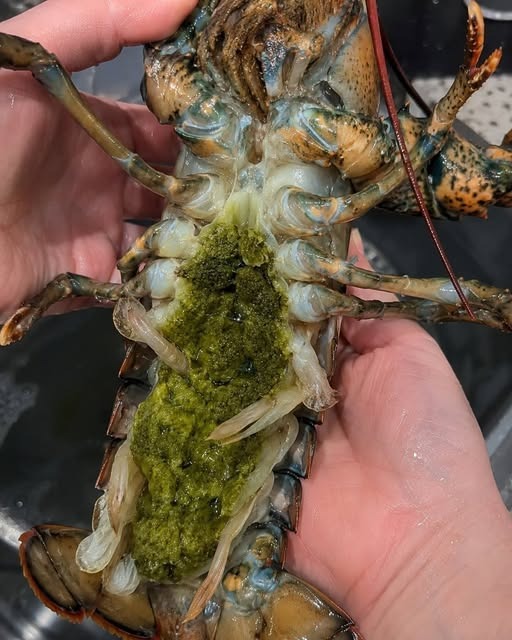
What Is the Green Stuff Inside Lobster? The Surprising Delicacy Seafood Lovers Can’t Get Enough Of
Discover what lobster tomalley really is, whether it’s safe to eat, its incredible flavor, health benefits, and the best ways to enjoy this hidden seafood delicacy.
I Almost Threw It Away… Until My Grandmother Told Me What It Was
The first time I cracked open a whole lobster, I expected to find sweet, tender meat—not a mysterious bright green paste hiding inside the shell.
As a kid attending a large family seafood feast, I stared at it with complete confusion. It certainly didn’t look appetizing, and I assumed something had gone terribly wrong with the lobster.
Then my grandmother smiled and said, “That’s the tomalley. Around here, that’s the best part.”
Reluctantly, I tasted a tiny bite.
To my surprise, it was unbelievably rich, creamy, and packed with the pure flavor of the sea. Years later, I still look for that vibrant green treasure every time I order lobster.
If you’ve ever wondered what the green substance inside a lobster really is, here’s everything you need to know—including whether it’s safe to eat.
What Is the Green Stuff Inside a Lobster?
The bright green substance found inside a cooked lobster is called tomalley.
Scientifically, tomalley is the lobster’s hepatopancreas, an organ that performs many of the same functions as the human liver and pancreas. It helps digest food, stores nutrients, and produces digestive enzymes.
Despite its unusual appearance, tomalley has long been considered one of the greatest delicacies in the seafood world.
Many chefs and seafood enthusiasts describe it as the most flavorful part of the lobster because it contains an incredibly concentrated lobster taste.
Its texture is:
- Smooth
- Creamy
- Velvety
- Rich
- Almost pâté-like
The flavor is intensely briny, buttery, and packed with natural umami.
Why Do Seafood Lovers Love Tomalley?
Tomalley delivers an incredibly deep seafood flavor that isn’t found in the meat alone.
It’s commonly used by professional chefs to enrich:
- Lobster bisque
- Seafood sauces
- Butter spreads
- Pasta sauces
- Chowders
- Seafood risotto
Just a small amount can dramatically enhance an entire dish.
Tomalley vs. Lobster Roe: What’s the Difference?
Many people confuse tomalley with lobster roe because both can appear inside whole lobsters.
Here’s how they differ:
Tomalley
- Digestive organ (hepatopancreas)
- Bright green
- Smooth and creamy
- Rich, savory flavor
- Found in both male and female lobsters
Lobster Roe (Coral)
- Unfertilized eggs
- Dark green when raw
- Turns bright red after cooking
- Slightly grainy texture
- Delicate, mildly sweet seafood flavor
- Found only in female lobsters
Although both are prized by seafood lovers, they provide completely different eating experiences
Best Ways to Eat Lobster Tomalley
If you’re lucky enough to find tomalley, there are several delicious ways to enjoy it.
1. Eat It Straight from the Shell
Many lobster lovers simply scoop it out with a small spoon.
A squeeze of fresh lemon juice perfectly balances its richness.
2. Make Compound Butter
Blend tomalley with:
- Softened butter
- Garlic
- Fresh herbs
- Lemon zest
It’s incredible spread over grilled steak, shrimp, or crusty bread.
3. Stir It Into Lobster Bisque
Professional chefs often use tomalley as a natural flavor enhancer.
It thickens the soup while adding remarkable depth.
4. Spread It on Toast
A warm baguette topped with fresh tomalley creates a surprisingly luxurious appetizer.
5. Mix It Into Seafood Pasta
Adding a small amount to cream sauces produces an intensely flavorful seafood pasta.
Is Lobster Tomalley Healthy?
In moderation, tomalley contains several beneficial nutrients.
It provides:
- Protein
- Copper
- Selenium
- Choline
- Iron
- Zinc
- Vitamin A
- B vitamins
These nutrients help support overall health.
Potential Health Benefits
Supports Brain Function
Tomalley contains choline, an essential nutrient involved in memory, nerve function, and brain development.
Provides Powerful Antioxidants
Selenium helps protect cells from oxidative stress while supporting immune function.
Supports Healthy Blood Production
Copper assists the body in producing healthy red blood cells.
Rich in Essential Minerals
Tomalley supplies trace minerals important for metabolism and overall wellness.
Is It Safe to Eat Lobster Tomalley?
This is one of the most common questions seafood lovers ask.
The answer is:
Yes—for most healthy adults, but only in moderation.
Because tomalley functions as the lobster’s filtering organ, it may accumulate environmental contaminants from the water, including:
- Heavy metals
- Industrial pollutants
- Naturally occurring marine toxins
For this reason, public health agencies in some regions recommend limiting consumption, particularly during algal bloom events or in waters with known contamination.
Most experts advise that healthy adults can enjoy tomalley occasionally as part of a balanced diet.
However, pregnant women, breastfeeding mothers, young children, and people with weakened immune systems are generally advised to avoid it as an added precaution.
Tips for Buying the Best Lobster
To enjoy the highest-quality lobster:
- Buy from reputable seafood markets.
- Choose lobsters that are lively before cooking (if purchasing live).
- Cook lobster promptly after purchase.
- Keep it refrigerated until ready to prepare.
- Avoid lobsters with an unpleasant odor.
Freshness greatly affects both flavor and food safety.
Frequently Asked Questions
What is lobster tomalley?
Tomalley is the lobster’s hepatopancreas, an organ responsible for digestion and nutrient storage. It is considered a prized delicacy.
Why is lobster tomalley green?
Its natural pigments and digestive enzymes give it its characteristic green color.
Does every lobster have tomalley?
Yes. Both male and female lobsters contain tomalley.
Can you eat lobster roe?
Yes. Lobster roe, often called coral, is edible and highly prized. It has a slightly sweeter flavor than tomalley and turns bright red when cooked.
What does lobster tomalley taste like?
It has an intensely concentrated lobster flavor with a creamy, buttery texture and a rich ocean-like taste.
Should you eat lobster tomalley every time?
Occasional consumption is generally considered acceptable for most healthy adults, but moderation is recommended because it can accumulate environmental contaminants.
You May Also Like
- How to Cook Lobster Perfectly Every Time
- The Difference Between Lobster, Crab, and Crawfish
- Why Some Lobsters Have Blue Shells
- Is Frozen Seafood as Healthy as Fresh?
- The Best Side Dishes to Serve with Lobster
- How to Tell If Seafood Has Gone Bad
Final Thoughts
The mysterious green substance inside a lobster may look unusual, but it’s one of the seafood world’s most celebrated delicacies.
Known as tomalley, this creamy, intensely flavorful organ has been enjoyed by generations of lobster lovers for its rich taste and culinary versatility. Whether spread on warm bread, stirred into a silky bisque, or savored straight from the shell, it offers a uniquely luxurious seafood experience.
Like many rich foods, moderation is key. Enjoying tomalley occasionally allows you to appreciate its exceptional flavor while following food safety recommendations.
The next time you crack open a lobster and discover that vibrant green treasure, don’t be too quick to scrape it away—you might just find yourself enjoying what many seafood enthusiasts consider the very best bite of the entire meal.